Guide: Best Times to Visit and How to Get Around
Iceland's Seasonal Travel Guide: Best Times to Visit and How to Get Around
Iceland's dramatic landscapes transform with each season, offering vastly different experiences throughout the year. Whether you're chasing the Midnight Sun or the Northern Lights, choosing when to visit and how to get around is key to an unforgettable trip. This seasonal guide will help you plan your journey and select the best transportation options for a safe and immersive Icelandic adventure.
Summer (June - August): The Season of the Midnight Sun
What to Expect:
- Weather: Mild temperatures (10-15°C/50-59°F), but often windy and rainy.
- Daylight: Nearly 24 hours of daylight around the summer solstice (June 21).
- Pros: All highland roads (F-roads) are open, allowing access to remote interior regions like Landmannalaugar. Lush green landscapes, abundant wildlife (puffins!), and vibrant festivals.
- Cons: Peak tourist season means more crowds and higher prices.
Best Way to Get Around:
While summer provides the best driving conditions, navigating still requires caution due to unpredictable weather and gravel roads. A
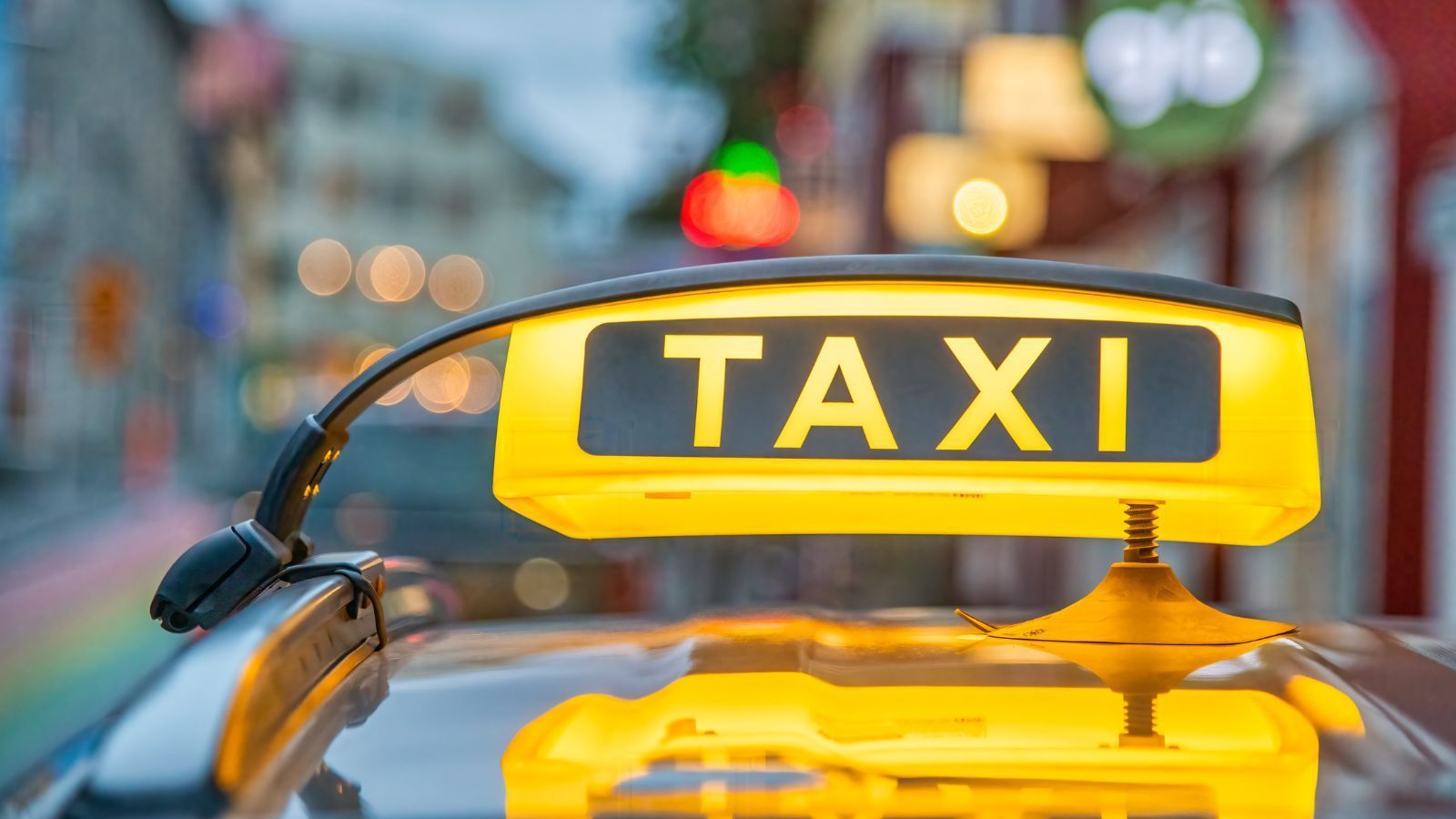
private taxi tour is an excellent choice for maximizing your long days. Your local driver can expertly plan a long, customized itinerary—perhaps a classic Golden Circle tour combined with a South Coast adventure—all in one day, allowing you to experience more without the fatigue of driving yourself.
Winter (December - February): The Season of Northern Lights
What to Expect:
- Weather: Cold (around 0°C/32°F), with frequent snow, ice, and strong winds. Storms can cause sudden road closures.
- Daylight: Very limited daylight (4-5 hours around the winter solstice).
- Pros: Prime viewing for the Aurora Borealis, stunning ice caves, and fewer crowds.
- Cons: Limited access to some regions due to weather and road conditions.
Best Way to Get Around:
Winter driving in Iceland is for the very experienced. Icy roads, blinding snow squalls, and rapidly changing conditions make it hazardous for visitors.
This is where a private taxi service is not just a luxury, it's a safety essential.
Our professional drivers are trained for winter driving and can safely transport you to the best Northern Lights viewing spots away from city lights. We handle the stressful driving, so you can focus on the magical scenery in warm, comfortable safety.
Shoulder Seasons: Spring (March - May) & Fall (September - November)
What to Expect:
- Weather: Highly unpredictable. Can feature winter-like storms or calm, sunny days. A true mix of all seasons.
- Daylight: Rapidly changing. Spring gains daylight quickly; fall loses it.
- Pros: Fewer tourists, lower prices, and a chance to experience a bit of everything (possible Northern Lights in fall, possible early access to highlands in late spring).
- Cons: Weather is the most volatile, making planning difficult.
Best Way to Get Around:
The shoulder seasons demand flexibility. A
private taxi provides the perfect solution. Your driver can adapt your itinerary in real-time based on the day's weather, taking you to locations with the best conditions. You avoid the risk of getting stuck in a storm in a rental car and gain a local expert who knows how to navigate Iceland's capricious weather.
Why a Private Taxi is the Best Transportation Choice for Any Season
No matter when you visit, booking a private taxi offers consistent advantages:
- Local Expertise: Your driver knows the current road conditions, weather forecasts, and the safest routes.
- Stress-Free Navigation: Forget the anxiety of navigating unknown, potentially hazardous roads. Relax and enjoy the view.
- Customized Itineraries: Create a tour that fits the season, whether it's a 16-hour summer epic or a focused winter Aurora chase.
- Safety and Reliability: Especially crucial in winter, our professional service ensures you travel safely and on time.